Supported from below
At least 75% of a carton's base must rest on something, and its center of mass must sit inside the support polygon.
Box 0 of 0
Learn robotics with C++ by building the brain of a palletizing robot: where every carton goes, why it stays up, and how a warehouse decides what ships next.
Point at a carton to inspect it
A robot cell gets mixed cartons on a conveyor and has seconds to choose a spot for each. A good spot packs tightly. A safe spot keeps the stack standing through wrapping and a truck ride.
At least 75% of a carton's base must rest on something, and its center of mass must sit inside the support polygon.
A carton may not crush a lighter one under it. The stack gets heavier towards the deck, so the center of mass stays low.
A suction gripper comes straight down. A spot under an overhang may be free, but the robot can't get there.
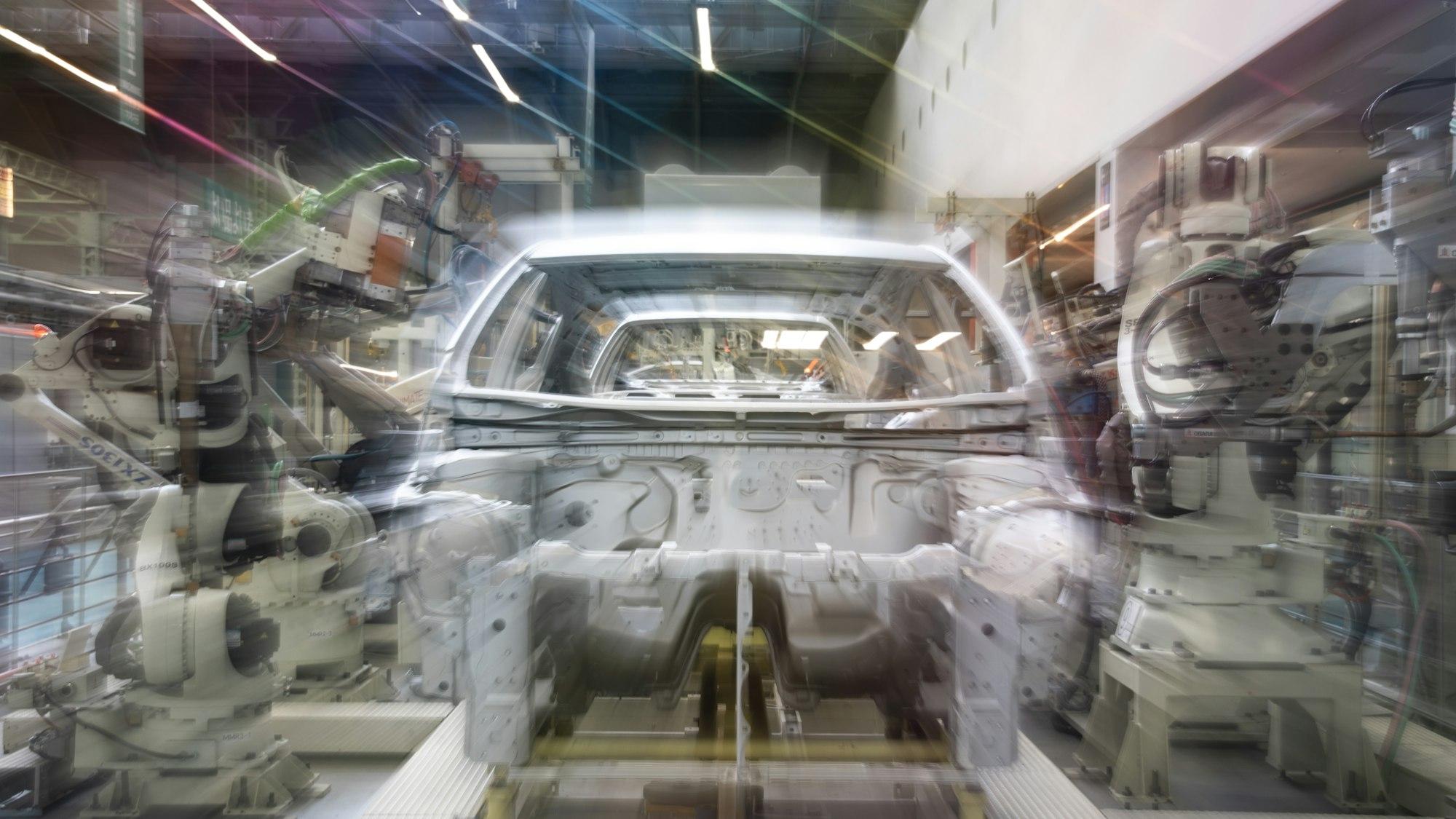
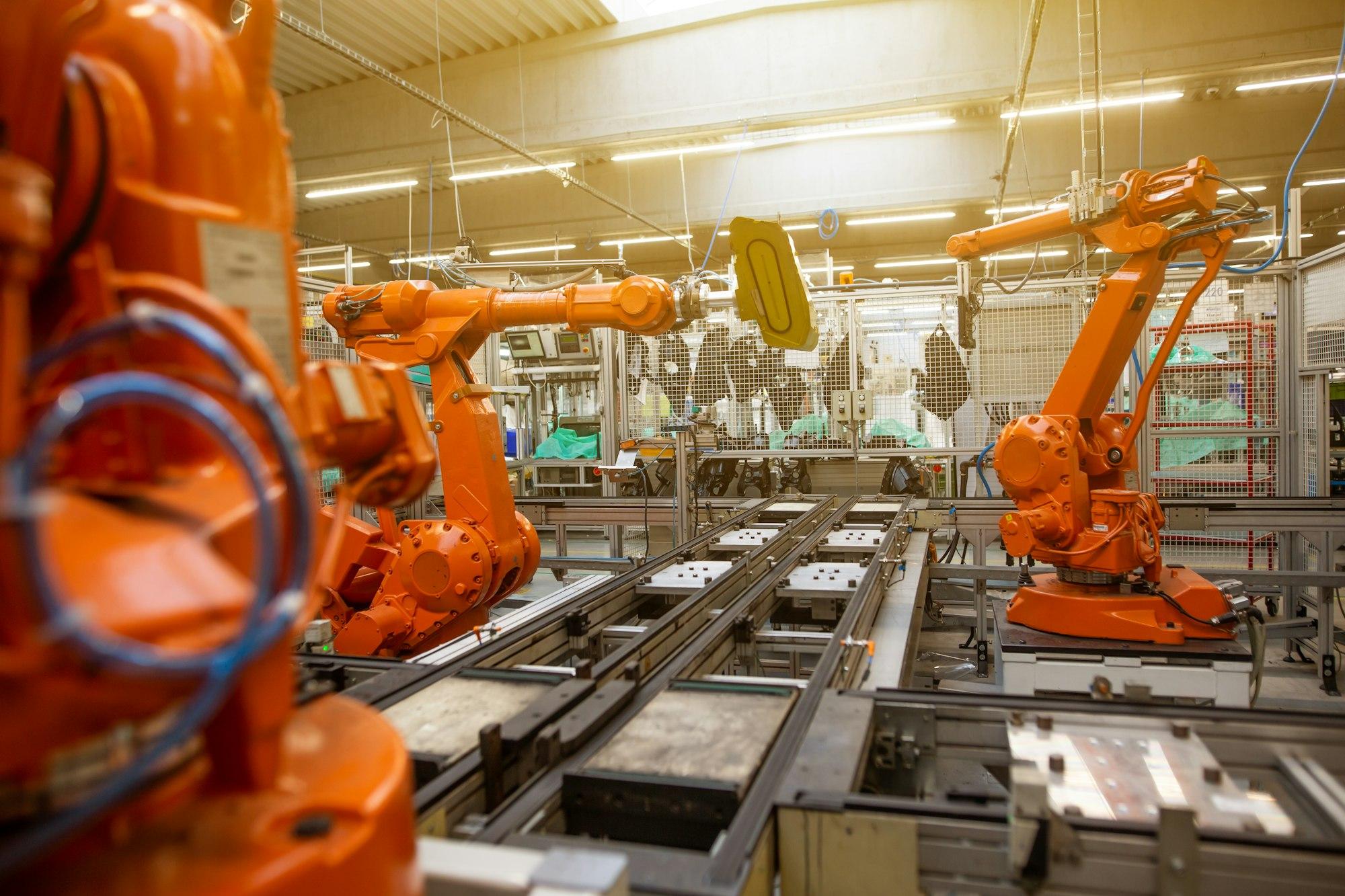
Placing cartons is only one part. A real cell has to see them, grip them, stack them in patterns that survive the truck, and take pallets apart again on the other end.
3D cameras turn a stack into a point cloud; the robot finds each carton's top face and pose in it.
Read the chapter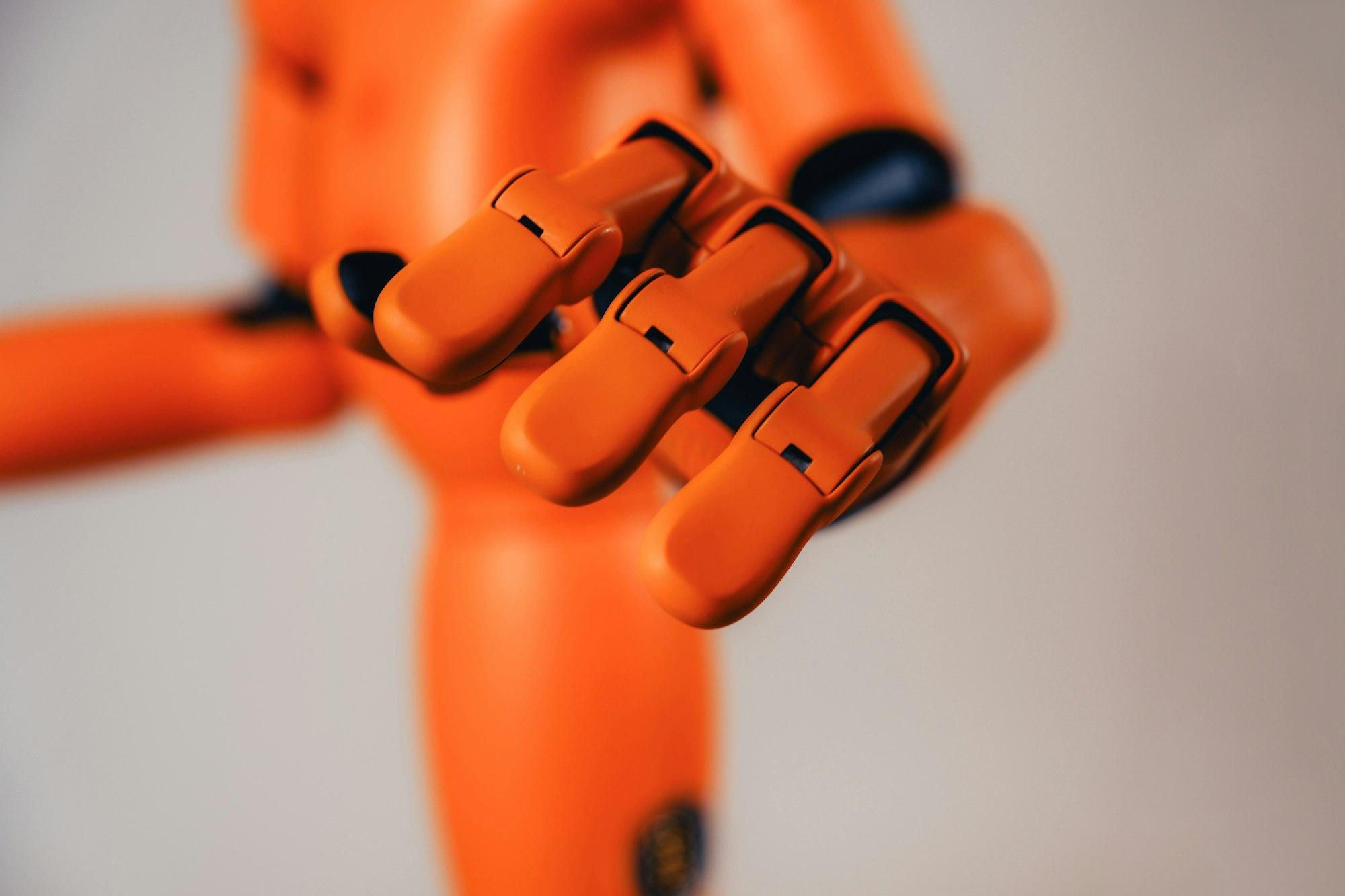
Vacuum cups hold a carton by pressure difference. How much force you get, and why it fails on porous boxes.
Read the chapter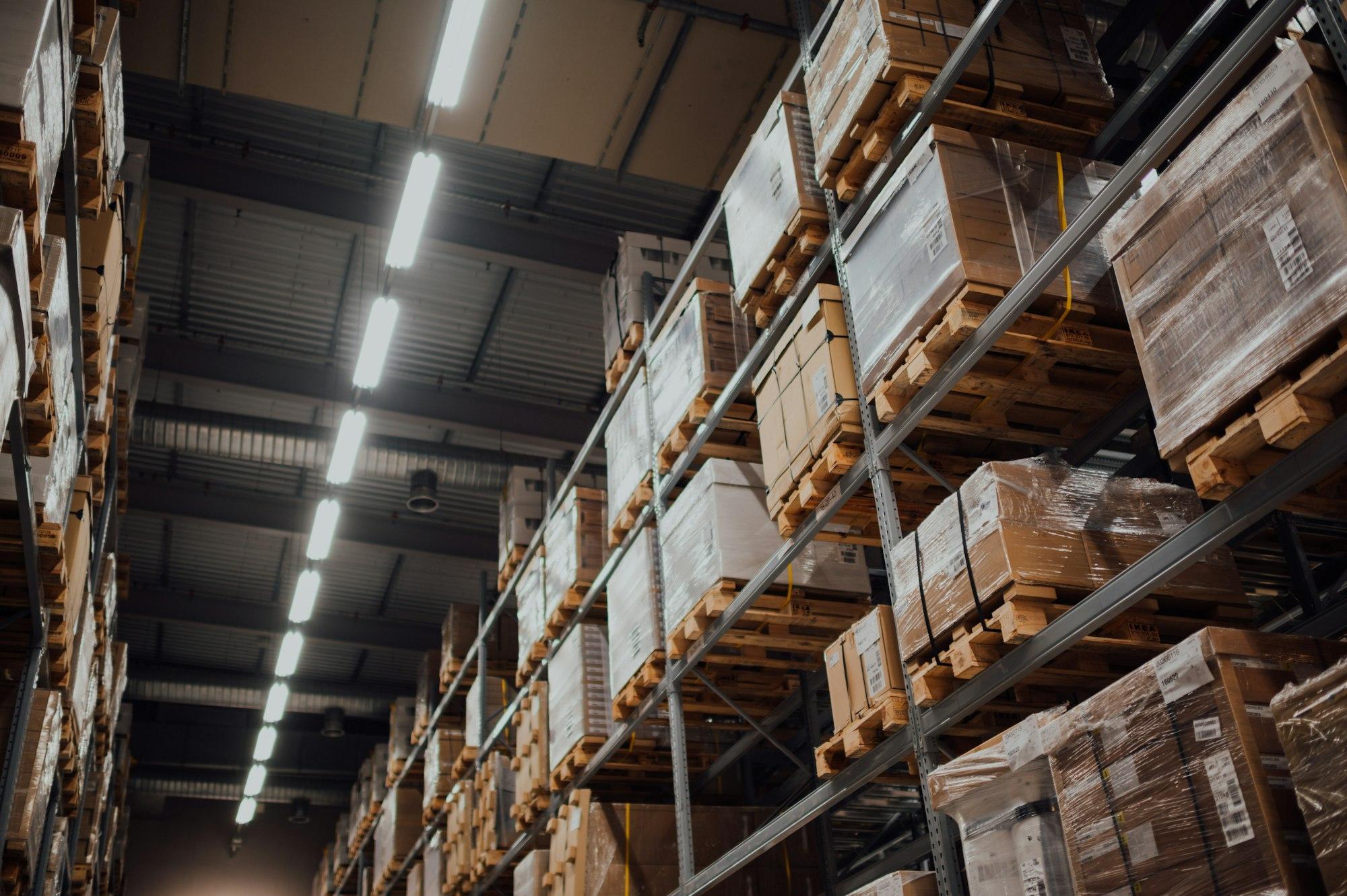
Column stacks are tidy but weak. Interlocked layers tie the stack together like bricks in a wall.
Read the chapter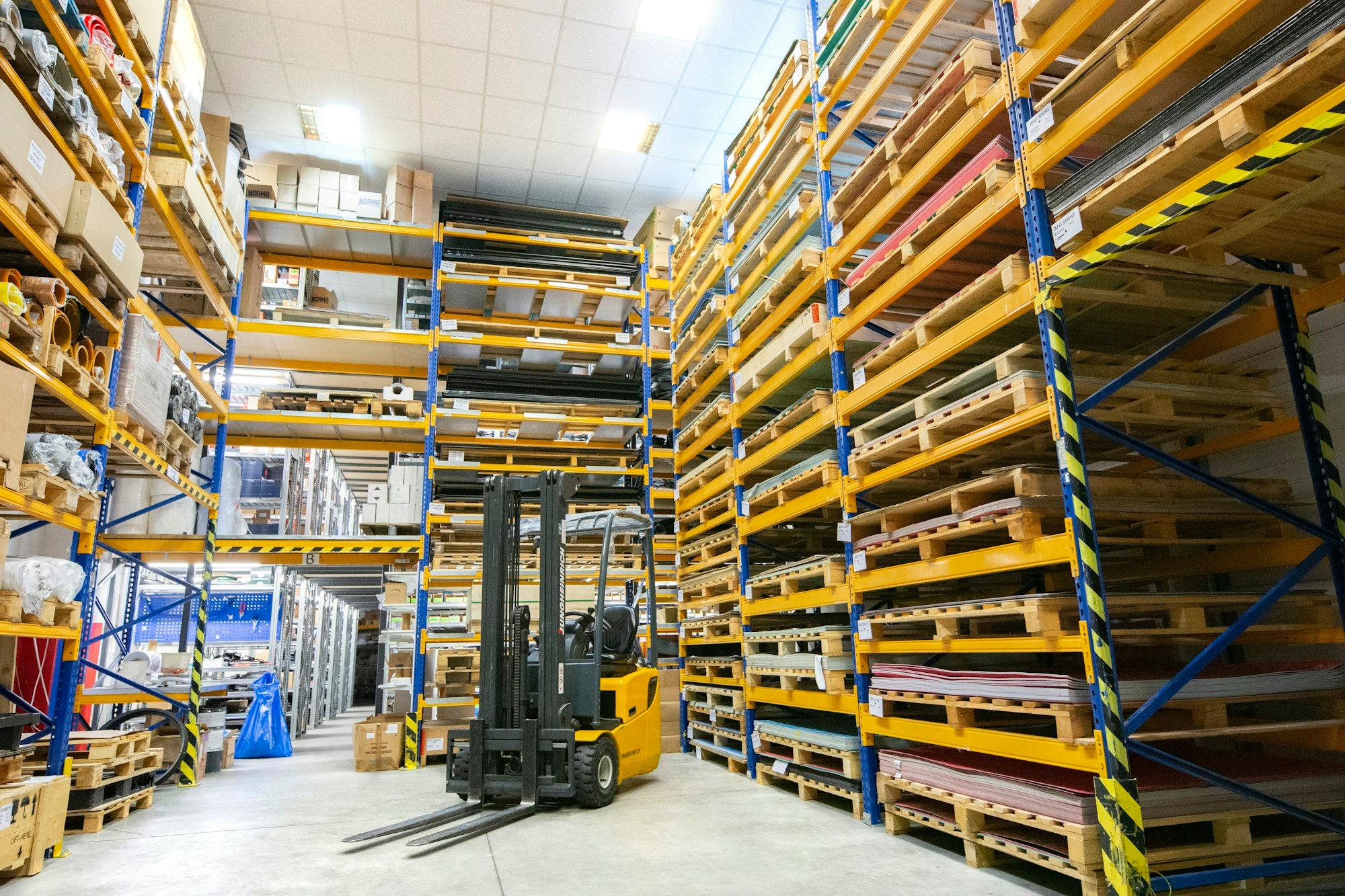
The same robot, in reverse: unstack mixed pallets top-down without seeing the cartons' size in advance.
Read the chapterGreedy fills rows and never looks back. Extreme points searches every corner the stack creates and scores them. Same 40 cartons, very different pallets.
Orders for three stores arrive all day. Pack them one by one and pallets ship half empty. Wait for a full wave and they ship full, a little later. That trade-off is the job of a warehouse execution system.
15
pallets
19%
average fill
0:17:17
shift length
7
pallets
42%
average fill
0:25:11
shift length
Cameras misjudge a corner by a few millimetres. Cartons arrive dented. A safety fence opens. Real planners are built for all of it, and the docs walk through how.
C++20 with CMake, vcpkg and GoogleTest. Eigen for poses. A real ROS 2 package. The same engine compiled to WebAssembly runs in this page.
 C++20
 CMake
 ROS 2
 WebAssembly
 Docker
 GitHub Actions
 three.js
 TypeScript
 Next.js
 Vercel
 LinuxvcpkgGoogleTestEigenfmtnlohmann/jsonPlaywrightMoveIt
Twenty-three short chapters, each with a live 3D model next to the text.
This project takes its inspiration from industry leaders in Japanese warehouse robotics, whose intelligent palletizing and picking systems run real factories. Everything here is an independent learning project.
No account needed. Read, play with the simulator, and ask the assistant anything along the way.